



Glaucoma Management

What Is Glaucoma?
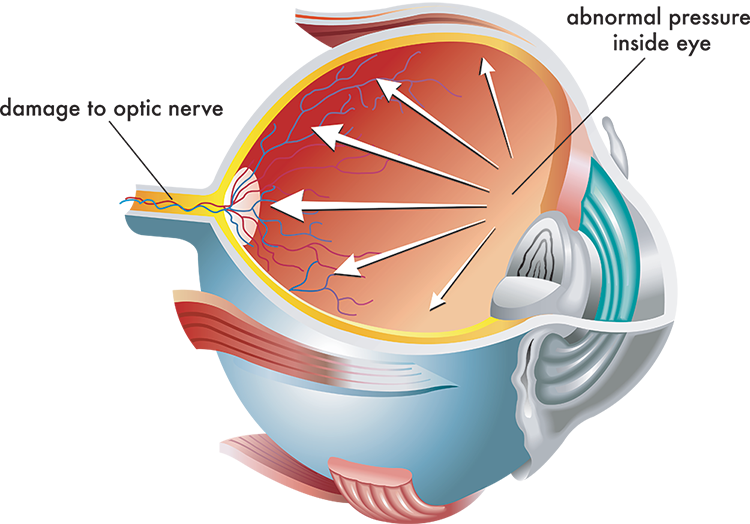
Glaucoma occurs when fluid pressure inside your eye becomes too high, gradually damaging the optic nerve. Your eye creates fluid for a variety of purposes. Normally, this fluid flows in and out at a steady rate.
In glaucoma, this drainage system becomes less efficient, causing pressure to build up. Over time, this increased pressure damages the delicate nerve fibers, leading to permanent vision loss if left untreated.
The most common type is primary open-angle glaucoma, which develops slowly and often goes unnoticed in its early stages. Less common but more urgent is angle-closure glaucoma, which can cause sudden symptoms like severe eye pain, headaches, and blurred vision.
What is Glaucoma Management at Nova Eye Experts?
Glaucoma is often called the “silent thief of sight” because it typically develops without noticeable symptoms until significant vision loss has already occurred. This group of eye diseases gradually damages the optic nerve, which carries visual information from your eye to your brain.
At Nova Eye Experts, our experienced eye doctors specialize in diagnosing and treating glaucoma using the latest techniques and technologies to preserve your vision.
Why is Early Detection Important?
Because glaucoma typically progresses without symptoms, regular eye examinations are crucial for early detection. Vision loss from glaucoma cannot be reversed, but we can prevent further damage when caught early.
This is why we recommend comprehensive eye exams, especially if you’re over 40, have a family history of glaucoma, or have other risk factors.

How is Glaucoma Diagnosed?
At Nova Eye Experts, we use several advanced diagnostic tools to detect and monitor glaucoma:
Clinical Examination
We carefully examine your optic nerve and measure your eye pressure during your comprehensive eye exam.
Visual Field Testing
This test maps your peripheral (side) vision to detect any blind spots that might indicate glaucoma damage.
OCT Imaging
Optical Coherence Tomography provides detailed images of your optic nerve and retinal nerve fiber layer, allowing us to detect even subtle changes over time.
These tests work together to give us a complete picture of your eye health and help us catch glaucoma in its earliest stages.





