



Advanced Cataract Surgery


Do I Need Cataract Surgery?
Even if you’ve received a cataract diagnosis, that doesn’t always mean you have to get cataract surgery right away. If your cataracts are still in the early stages of development and you feel you can carry out daily activities as usual, it may not be time to get cataract surgery yet.
Some people find that their symptoms can be temporarily mitigated with glasses and contacts, or they may feel that cataracts are not impacting their vision enough to warrant cataract surgery. You may be able to slow the development of cataracts by removing environmental risk factors, such as stopping smoking, wearing eye protection in the sun, and limiting exposure to air pollution.
Most cataract surgeons will only recommend cataract surgery once the symptoms of cataracts start impacting your day-to-day life. If you are having trouble reading, driving, cooking, or find that you are isolating yourself socially due to vision problems, you should start considering cataract surgery.
Cataract surgery can restore clear sight and give you the independence to do all your favorite things again without worrying about cataracts clouding your vision.
What is Advanced Cataract Surgery at Nova Eye Experts?
Have you been diagnosed with cataracts? While not everyone needs cataract surgery immediately, surgery is the only way to remove cataracts and eliminate vision problems caused by cataracts.
The experienced surgeons at Nova Eye Experts utilize state-of-the-art technology to perform both traditional and laser-assisted cataract surgery procedures, helping you regain your vision, confidence, and independence.
What Can I Expect During Cataract Surgery?
Cataract surgery is a minimally invasive outpatient procedure that takes approximately 10-15 minutes. You will need to schedule someone to drive you and pick you up from the procedure, as you will have to wait until your eye doctor clears you to resume driving post-cataract surgery.
If you have cataracts in both eyes, you will have the first removed in one procedure. Once the first eye has healed completely, you will have cataract surgery on the second eye.
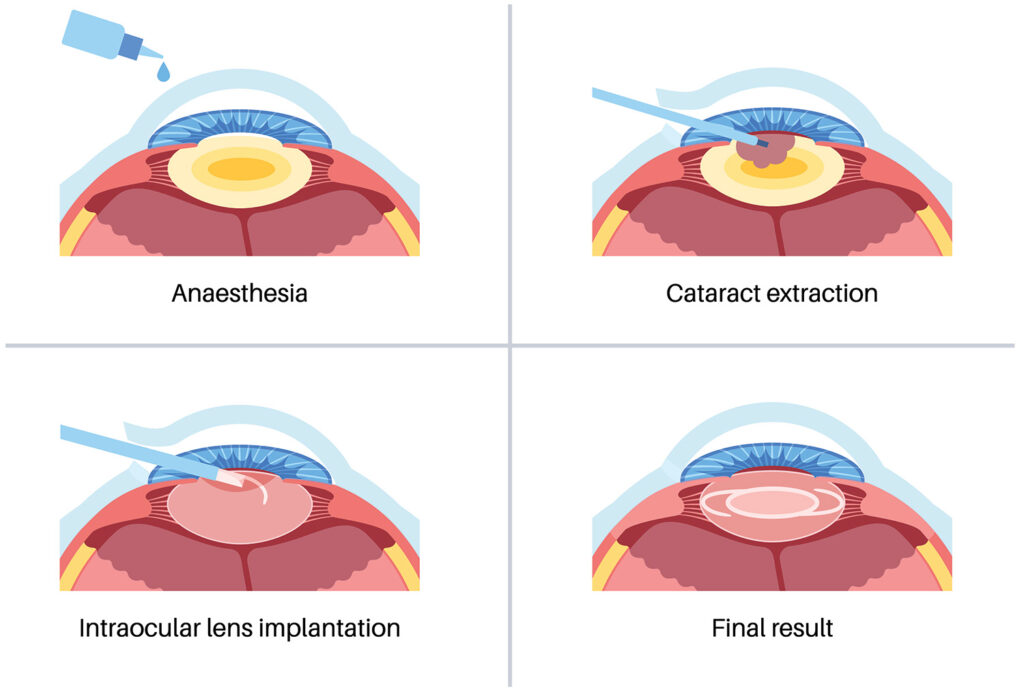
Your cataract surgeon will begin by numbing the surface of your eye with anesthetic eye drops. They may also administer a mild sedative to help you relax, but you will remain awake throughout the entire procedure.
Once your eye has been numbed, they will make a small incision in your cornea. Then, they will use ultrasound waves to break up and remove the cataract-affected lens in a process called phacoemulsification.
Your cataract surgeon will suction out the pieces of the lens and then replace it with your IOL. The incision in your cornea typically does not require stitches, as it usually heals on its own.
Advanced Laser Cataract Surgery with LENSAR ALLY
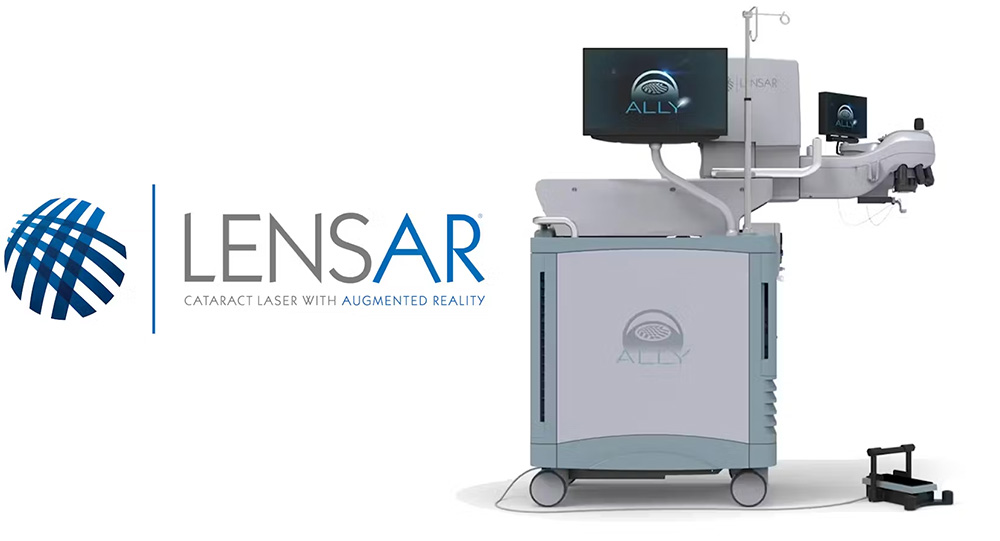
At Nova Eye Experts, we’re proud to offer the latest advancement in cataract treatment with the LENSAR ALLY Adaptive Cataract Treatment System. This cutting-edge technology combines advanced imaging with precision dual-pulse femtosecond laser technology in a single, integrated system.
What sets LENSAR ALLY apart is its use of Adaptive Intelligence technology. The system utilizes Cataract Density Imaging to automatically assess the unique characteristics of your cataract, identifying the nucleus and layers of your lens with remarkable detail.
This advanced analysis allows our surgeons to provide tissue-specific treatment customized to your individual needs. The system helps reduce your recovery time, allowing you to return to enjoying clear, crisp vision sooner.
What is Recovery Like after Cataract Surgery?
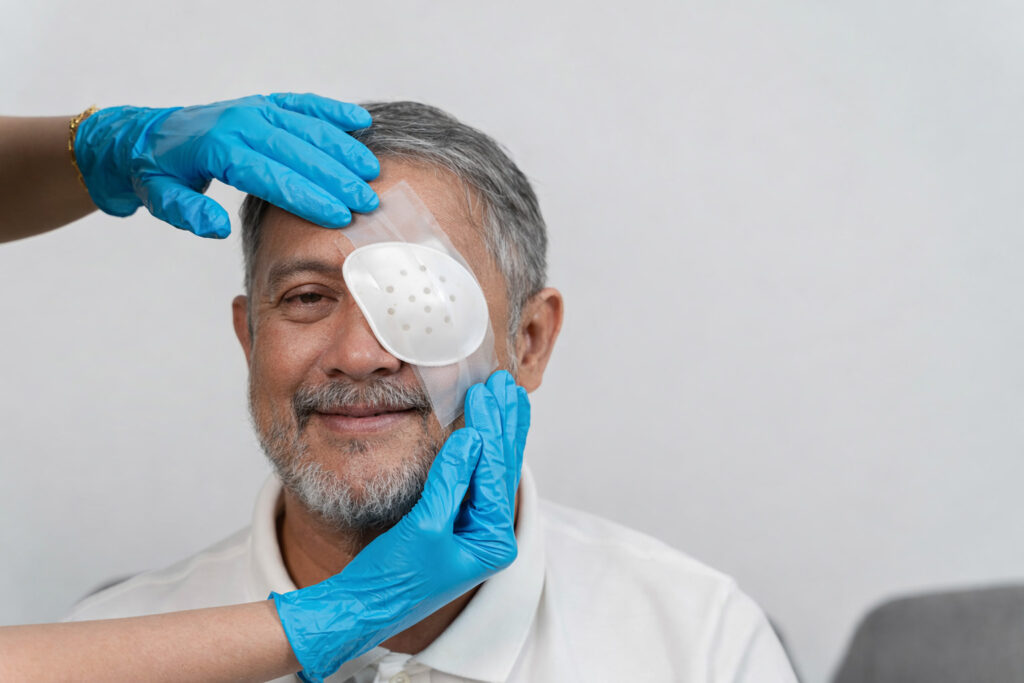
Your cataract surgeon will place a patch over your eye to protect it while it heals. They will monitor you for a short period after the procedure and give you instructions for at-home care. They will prescribe eye drops that help reduce inflammation and prevent infection, and provide instructions on how often to use them. Your cataract surgeon will also provide you with a protective eye shield to wear while you sleep.
Once you get home, you should plan to rest and relax. You may experience temporary side effects, such as blurry vision, watery eyes, red eyes, or a gritty feeling in your eyes. Your vision will begin to improve as you heal, and side effects will likely dissipate quickly. You will need to attend follow-up appointments with your eye doctor so they can examine your eyes and monitor your healing process.
The first follow-up appointment is typically scheduled for the day after cataract surgery. Full recovery from cataract surgery can take around four to six weeks. However, most patients notice an improvement in their vision within the first few days after the procedure. Based on how you are healing, your eye doctor will tell you when it is safe to do things like driving, working, or playing sports.
Most patients are cleared to drive at their first follow-up appointment and can return to work within one to three days after cataract surgery.
What Will My Vision Be Like after Cataract Surgery?
Immediately following cataract surgery, you may experience some blurry vision. You will likely notice your vision starting to improve over the next few days.
Once you have healed from the procedure, you can expect to see much clearer than you did with cataracts, as your IOL will be completely cataract-free. You won’t have to worry about halos, poor night vision, or difficulty completing daily tasks due to vision problems caused by cataracts.
If you choose a monofocal IOL, you will need to use glasses or contacts to achieve a full range of vision, as monofocal IOLs are set at a singular focusing power. However, if you choose an Advanced IOL, you can reduce your reliance on visual aids and may even experience clearer vision than you ever had before you developed cataracts.
Although you will no longer experience vision problems from cataracts, cataract surgery cannot prevent conditions like glaucoma, diabetic retinopathy, and age-related macular degeneration. This is why even after cataract surgery, you should still attend regular eye exams with your eye doctor so they can monitor for any signs of other eye conditions.





